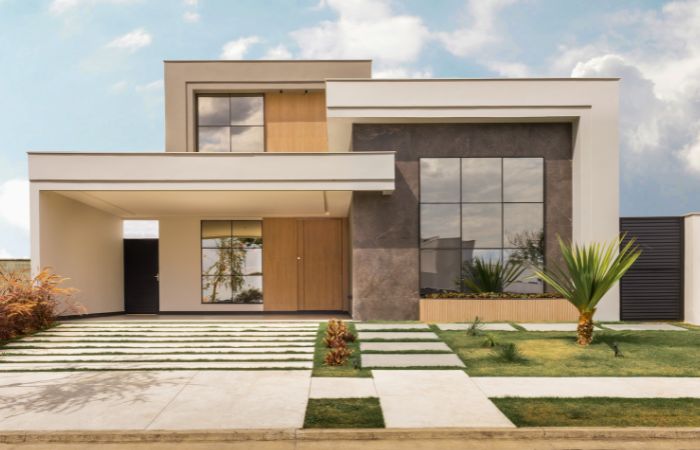
Modern Architecture Trends Transforming Residential and Commercial Spaces
Modern architecture is redefining how we live, work, and interact with spaces. With a strong focus on functionality, sustainability, and aesthetics, today’s architectural trends are transforming both residential and commercial environments. From smart technologies to eco-friendly designs, modern architecture is shaping spaces that are not only visually striking but also highly efficient and future-ready.
1. Minimalist Design with Maximum Impact
Minimalism continues to dominate modern architecture. Clean lines, open layouts, and uncluttered spaces create a sense of calm and sophistication.
Key Features:
- Simple geometric forms
- Neutral color palettes
- Open floor plans
- Functional design over ornamentation
2. Sustainable and Eco-Friendly Architecture
Sustainability is no longer optional—it’s essential. Modern architecture emphasizes environmentally responsible design to reduce carbon footprints and promote energy efficiency.
Popular Sustainable Elements:
- Green roofs and vertical gardens
- Solar panels and renewable energy integration
- Rainwater harvesting systems
- Energy-efficient materials and insulation
3. Smart Homes and Intelligent Buildings
Technology-driven architecture is transforming residential homes and commercial buildings into smart, responsive spaces.
Smart Architecture Includes:
- Automated lighting and climate control
- Smart security and surveillance systems
- Voice-controlled devices
- Energy monitoring solutions
4. Blending Indoor and Outdoor Spaces
Modern architecture emphasizes a strong connection between indoor and outdoor environments.
Design Techniques:
- Large glass walls and sliding doors
- Courtyards and open terraces
- Indoor gardens and patios
- Seamless material transitions
5. Use of Natural and Raw Materials
Modern architectural designs are embracing authenticity by using raw and natural materials.
Common Materials:
- Exposed concrete
- Natural stone
- Wood and timber
- Steel and glass
6. Flexible and Multi-Purpose Spaces
With changing lifestyles and work patterns, flexible spaces are a key trend in both residential and commercial architecture.
Examples:
- Home offices integrated into living areas
- Modular furniture and movable partitions
- Multi-functional commercial layouts
7. Biophilic Design for Health and Wellness
Biophilic architecture focuses on incorporating nature into built environments to enhance physical and mental well-being.
Elements of Biophilic Design:
- Natural lighting and ventilation
- Indoor plants and green walls
- Organic forms and textures
8. Contemporary Commercial Architecture Trends
Commercial spaces are shifting towards designs that promote collaboration, branding, and customer experience.
Key Trends:
- Open and collaborative workspaces
- Experience-driven retail design
- Sustainable corporate buildings
- Iconic architectural branding
Conclusion: The Future of Modern Architecture
Modern architecture is transforming residential and commercial spaces by combining innovation, sustainability, and human-centric design. As lifestyles evolve and technology advances, architecture continues to adapt—creating smarter, greener, and more inspiring environments.
At Arcidot Design Studio, we embrace these modern architectural trends to design spaces that are functional, timeless, and tailored to your vision. Whether it’s a home, office, or commercial project, modern architecture ensures spaces that truly elevate the way we live and work.
Small spaces are an opportunity, not a limitation. With smart design, multifunctional furniture, and clever use of light and storage, even the coziest areas can feel spacious and stylish. Maximize every inch and let creativity transform your compact living into a masterpiece!